
Vita Mahjong and Memory
Vita Mahjong asks you to notice free tiles, remember their locations and plan which pair to remove next. Active Mind offers a separate set of puzzles for this kind of practice. That is different from evidence that the app improves memory outside the game: the studies below did not test Vita Mahjong.
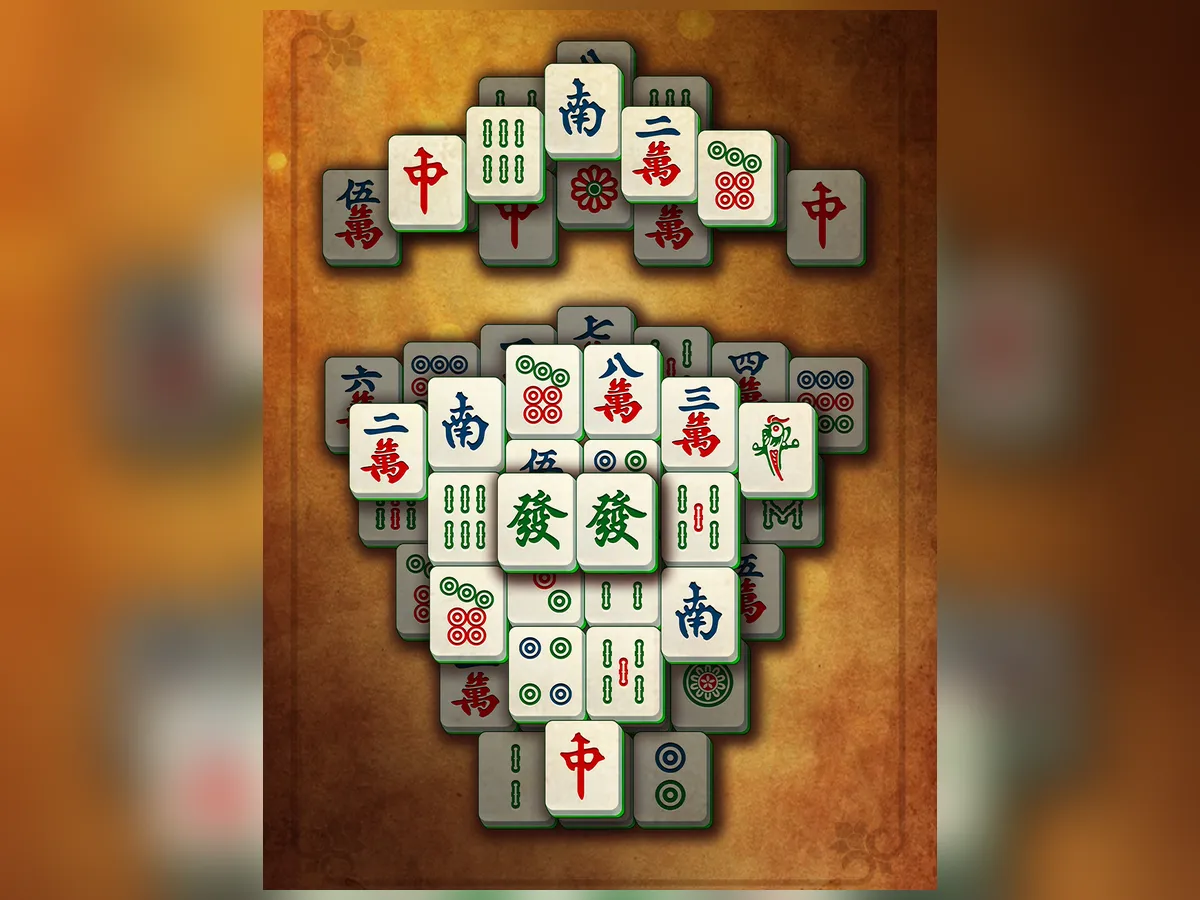
What the puzzle asks you to remember
To find a legal pair, inspect the layers as well as the pictures. A tile may be visible but covered from above or blocked on both sides. Keeping several possible moves in mind helps you choose a pair that reveals more tiles rather than simply clearing the first match you notice.
The top-down, outside-in approach is a planning exercise. Hidden faces and mystery tiles add another task: remember what was revealed and return to its partner when that partner becomes free. Our special-tile guide distinguishes these situations. Using attention during play does not by itself establish a lasting improvement on a clinical memory test.
Active Mind and ordinary levels
Active Mind is a separate collection intended for memory and attention practice, rather than the main level ladder. You can work through its boards at a comfortable pace. Availability and presentation can change with the installed version; use the mode comparison to distinguish it from Daily and Journey.
| Activity | Task during play |
|---|---|
| Ordinary board | Notice which matching tiles are currently free. |
| Top-down planning | Compare moves that open different layers. |
| Hidden faces | Recall where a revealed tile was located. |
| Active Mind | Work through a separate set of attention and memory puzzles. |
What the studies actually tested
A 2020 study in Frontiers in Neurology examined traditional multiplayer mahjong among older people with mild cognitive impairment. It reported improvements in executive-function measures after 12 weeks. Traditional table mahjong involves building combinations with other players. It is not the single-player pair-removal puzzle used by Vita Mahjong.
A 2026 randomized study in JMIR Aging involved 60 adults aged 55 or older, divided into two groups of 30, over six months. The intervention included two 30-minute digital-mahjong sessions per week and walking incentives. A delayed-recall measure favored the intervention group. Because this was a combined intervention, the result cannot establish the effect of digital mahjong alone.
The digital study used a research application, not Vita Mahjong. Neither study demonstrates that this app prevents dementia, treats memory loss or produces a particular improvement. The distinction matters more than the shared word “mahjong”: the games, participants and activities differed.
How it compares with other puzzles
Crosswords emphasize words and recall, sudoku emphasizes number placement and logical constraints, and mahjong solitaire emphasizes visual search and tile positions. Pick an activity you enjoy enough to return to; none of these comparisons establishes which puzzle is medically best.
The large tiles and lack of a timer in ordinary Vita Mahjong levels may make a relaxed session easier. See getting started for older players for screen and control choices. Puzzle time is one leisure activity alongside conversation and physical activity, not a replacement for either.
Keep practice comfortable
There is no research-backed session length specifically for Vita Mahjong. Pause when you want to, and stop if the symbols become difficult to distinguish or your eyes feel tired. A larger screen or a change in device brightness may help. The separate Mah game on our browser play page has its own higher-contrast setting; that is not a promise about the mobile app.
You can alternate ordinary levels with Active Mind for variety. If you play alongside a relative, give them time to inspect the board before pointing out the solution. Finding the pair is the activity, so there is no need to turn a calm puzzle into a speed test.
If memory changes are causing concern in daily life, a game cannot substitute for medical assessment or an existing care plan. The studies above are limited evidence about different interventions, not treatment instructions for Vita Mahjong.
Frequently asked questions
How does mahjong use memory?
During a board, you keep tile locations in mind and compare possible moves. This uses attention and short-term recall; it does not prove a lasting health benefit.
What is Active Mind?
A separate set of Vita Mahjong puzzles intended for attention and memory practice, distinct from the main level ladder.
Is there scientific evidence about mahjong and memory?
Studies have examined other forms of mahjong. A 12-week study used traditional multiplayer mahjong. A six-month digital study combined mahjong with walking incentives. Neither tested Vita Mahjong itself.
Is this the same game used in the research?
No. Traditional mahjong is a multiplayer combination-building game, and the digital trial used a research app with a walking component. Vita Mahjong is a commercial single-player matching puzzle.
How long should I play?
No duration has been established for Vita Mahjong. Choose comfortable sessions and take breaks; do not treat the research schedule as a prescription for this app.